High-Value Retail Security: Balancing Insurance Requirements with Brand Aesthetics
For most retailers, security is a necessity. For high-risk businesses, such as luxury jewellers, watch boutiques, and antique dealers, it is the very foundation of their ability to trade.
When you are displaying assets worth hundreds of thousands of pounds in a glass cabinet, the stakes change. You are not just protecting against opportunistic shoplifting; you are defending against organised crime, targeted raids, and “smash-and-grab” attacks.
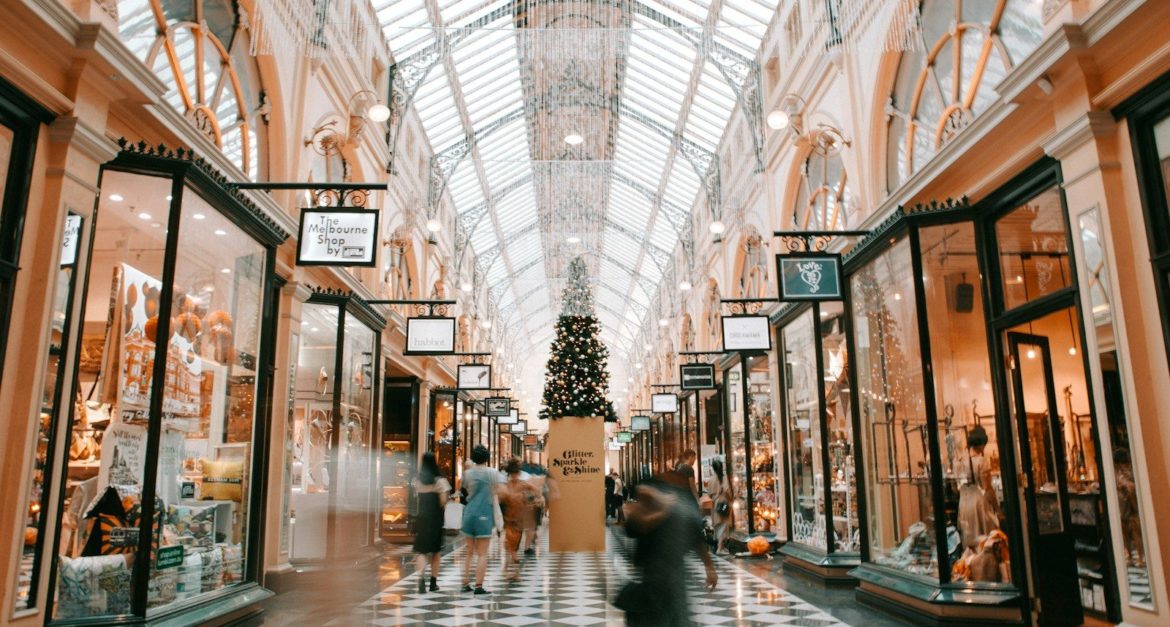
However, the challenge for luxury brands is unique: How do you secure a high-value environment without compromising the customer experience? Your clients expect an atmosphere of exclusivity and comfort, not intimidation.
At Secure Safe, we specialise in this delicate balance. Here is how we design compliant security strategies for high-end retailers across the UK.
Why Grade 3 Alarms Are Essential For UK Jewellers
In the high-value sector, your insurance underwriter is essentially your co-designer. They will stipulate strict standards that, if unmet, will render your policy void.
For high-risk environments, the industry standard for electronic security moves from Grade 2 to Grade 3.
- Grade 3 Intruder Alarms: These are mandatory for most jewellers. Unlike standard systems, Grade 3 sensors feature “anti-masking” technology, which detects if an intruder attempts to cover a sensor during opening hours to bypass it later.
- Verified Police Response: A Grade 3 system must be monitored by an ARC (Alarm Receiving Centre) to ensure a guaranteed police response. In a high-risk scenario, a “bells-only” alarm is effectively useless.
How To Prevent Smash-and-Grab Raids Without Bars
The most critical vulnerability for any high-end retailer is the glazing. You need customers to see the brilliance of your diamonds, watches, or rare collectibles, but that same transparency invites attack.
We utilise Anti-Smash Security Glass (rated to EN 356 standards) and specialist interlayers to create a “delay barrier.” This technology allows the glass to absorb significant impact from sledgehammers or axes without shattering immediately—meaning a thief might crack the glass, but they cannot penetrate it quickly enough to grab the goods before the response team arrives.
What Is The Difference Between Grade 3 Alarms And SR3 Doors?
A common source of confusion arises when matching physical barriers to alarm grades. While your insurer will stipulate a Grade 3 alarm system, there is technically no such thing as a “Grade 3” door in UK physical security standards.
Instead, the industry uses LPS 1175 (the UK police-recognised physical security standard), which classifies products by Security Ratings (SR1–SR8). For a site requiring a Grade 3 alarm, the appropriate physical counterpart is typically an LPS 1175 SR3 or SR4 door.
An SR3 door is tested to provide at least 5 minutes of resistance against deliberate attacks using heavy-duty tools like crowbars and axes. This “delay” is calculated to match the police response time guaranteed by your Grade 3 alarm. Crucially, these high-security doors can be veneered or finished to match your boutique’s interior design. A door can have the strength of a bank vault but the appearance of polished oak.
Which Eurograde Safe Is Required For High-Value Assets?
Your safe is the final and most critical line of defence for your business’s assets.
The choice of safe is a mathematical calculation based on your Overnight Cash & Valuables Limit. For a jeweller, a standard Eurograde 1 safe is rarely sufficient. We often specify Eurograde 3, 4, or 5 safes (the insurance-backed safe certification), which can provide insurance ratings for valuables ranging from £350,000 to over £1 million.
We anchor these heavy units directly into the concrete substrate, ensuring that physically removing the safe is impossible without heavy plant machinery.
Keeping Your Security Live When The Internet Goes Down
Security is also about reliability. High-end stores often rely on cloud-based inventory and security monitoring. But what happens if the high street internet goes down?
For our high-value clients, we implement LTE Mobile Broadband backups. This ensures that your CCTV remote monitoring and alarm signalling remain live even if the physical phone lines are cut or the local network fails. It is a small detail that provides absolute resilience.
Managing Compliance With A Single Security Partner
Opening a luxury boutique involves managing architects, interior designers, and fit-out contractors. Adding separate fire, security, and data companies to that list is a recipe for disaster.
The most successful high-risk projects are those where a single partner manages the entire ecosystem—from ensuring strict compliance with the Regulatory Reform (Fire Safety) Order 2005 to the installation of the final panic button.
Are You Planning A High-Value Opening?
Don’t leave your assets exposed. Contact Secure Safe to discuss a confidential, comprehensive security design that protects your wealth while preserving your brand’s elegance.
Get started with your free security assessment
Take the first step towards stronger retail security. Our FREE Self-Assessment helps you review your current protections and uncover potential risks. Share your findings with our team and we’ll build a custom security support package to fit your store’s needs and budget.